Creating a Supportive Environment for Retirees
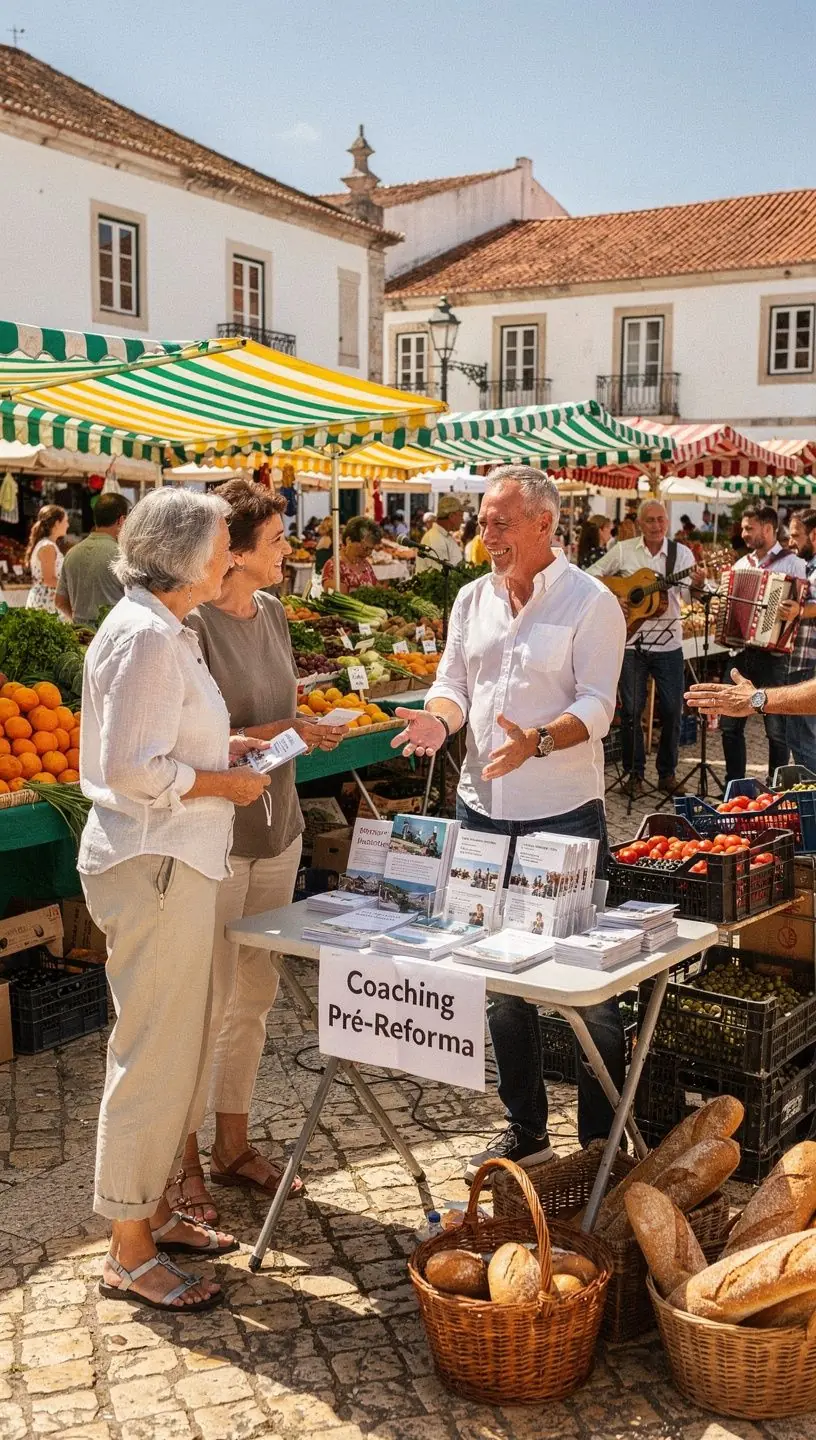
As retirement approaches, creating a supportive environment is vital for ensuring a smooth transition into this new phase of life. This article explores effective strategies to foster community connections, promote active engagement, and help retirees navigate this significant life change.
Understanding the Importance of Supportive Communities
Research indicates that social connections and community engagement can significantly enhance the quality of life for retirees. According to studies by the American Psychological Association, maintaining strong social networks can reduce feelings of loneliness and depression, which are common challenges faced by many individuals in retirement.

"Social connections are vital for emotional well-being, especially in later life." - Dr. Jane Smith, Psychologist
Building Connections Through Shared Activities
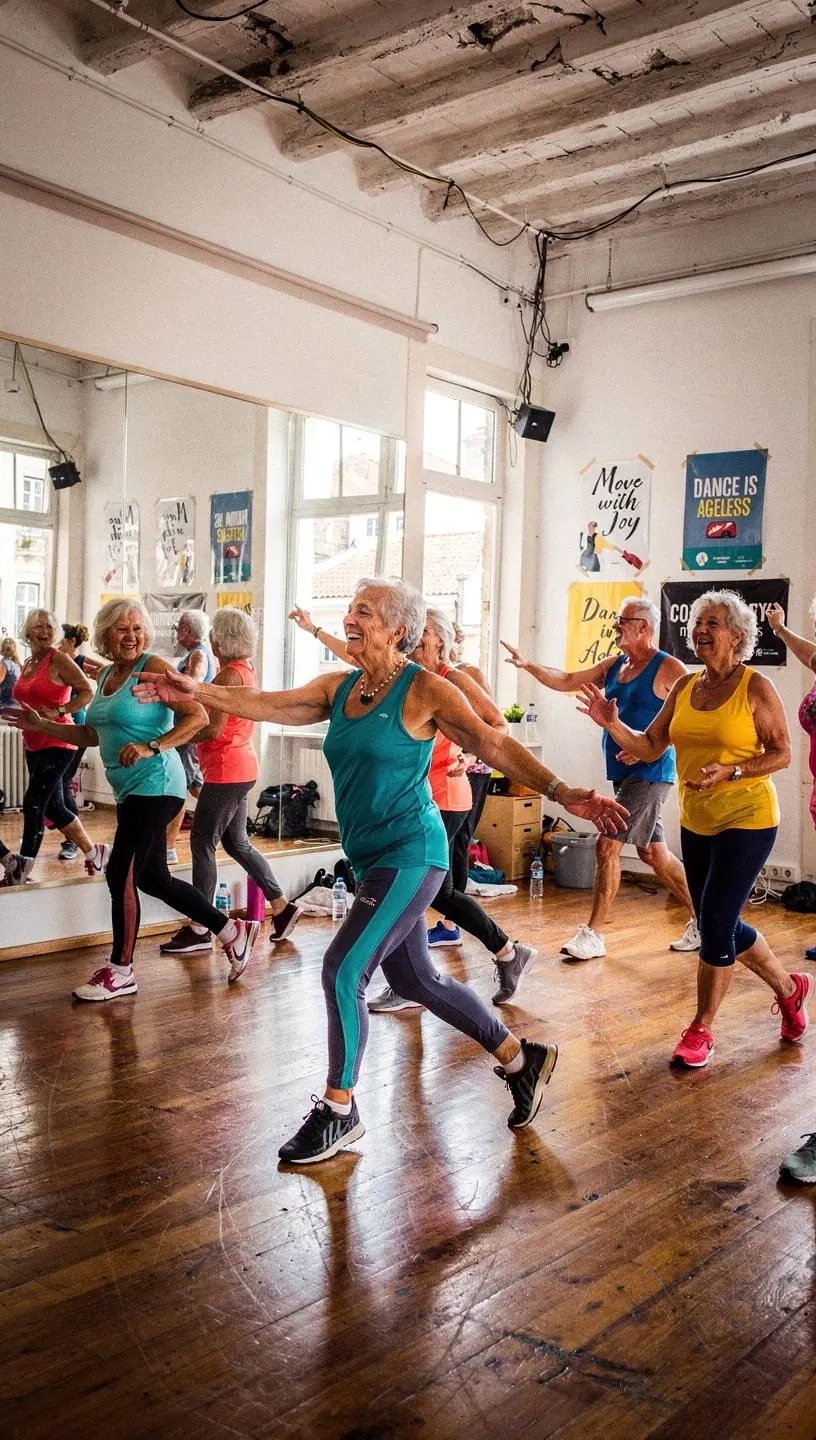
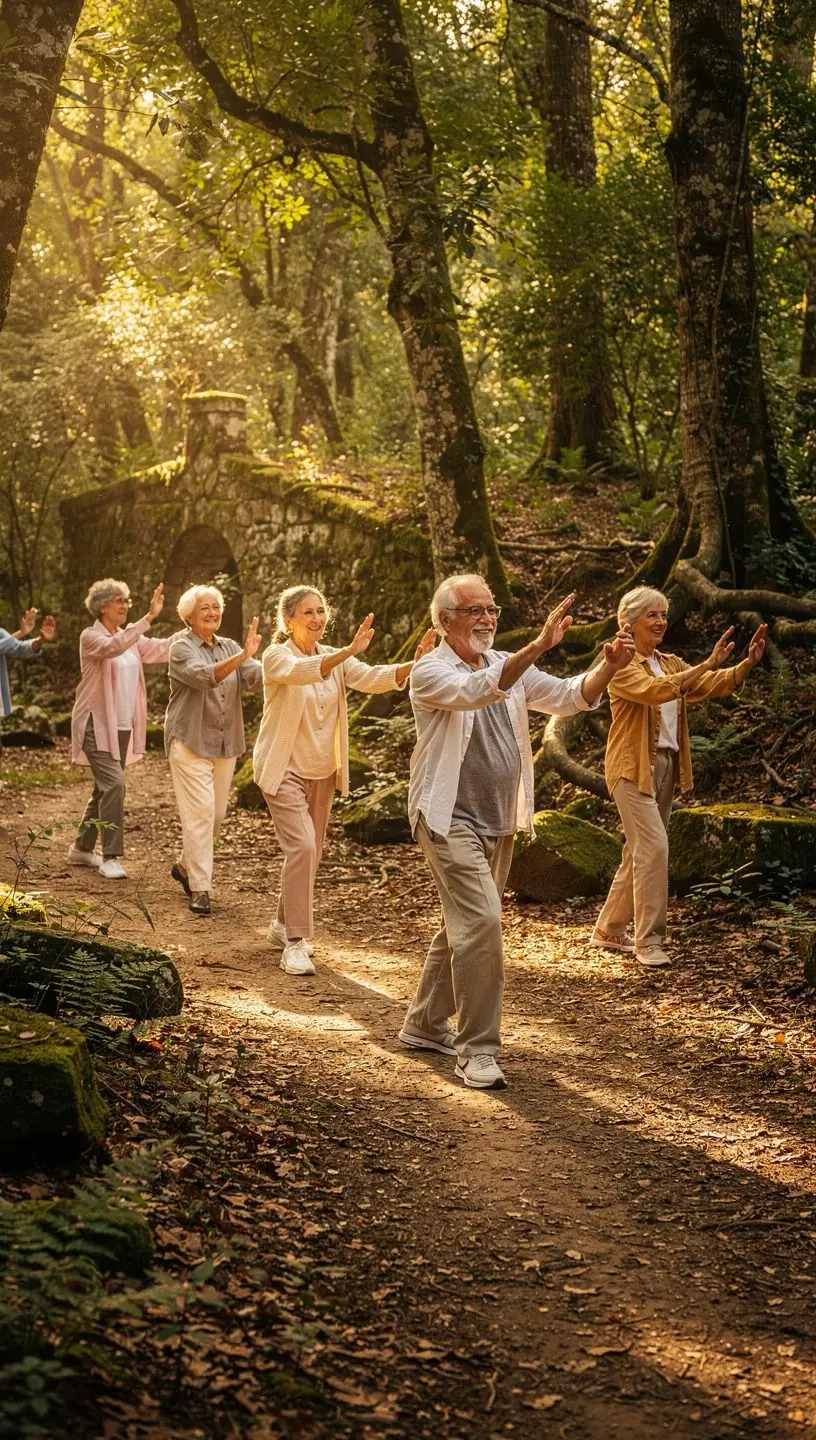
One effective way to create a supportive environment is by encouraging participation in group activities, such as dance events or local meetups. Many experts recommend that engaging in social and physical activities can often lead to improved mental and physical health among retirees. Here’s how:
- Organize Regular Meetups: Regular gatherings can help foster friendships and build a sense of community. Experts suggest that meeting at least once a month can yield positive outcomes.
- Curated Dance Events: Dance can be a fun and effective way to stay active. Research shows that engaging in dance not only enhances physical fitness but also promotes social interaction, which is crucial for mental health.
- Use Technology Wisely: While in-person meetups are valuable, integrating technology such as virtual meetings can help those who may have mobility challenges to stay connected with their peers.
Creating an Inclusive Environment
Inclusivity is a key factor when creating a supportive environment. It's essential to cater to diverse interests and abilities. According to the World Health Organization, inclusivity can significantly enhance participation rates in community activities. Here are some practical tips:
- Assess Needs: Conduct surveys to understand the interests and needs of potential participants. This can help tailor activities to suit everyone.
- Encourage Participation: Actively encourage those who are hesitant to join by offering incentives or highlighting the benefits of participation.
- Provide Resources: Ensure that resources such as transportation, accessibility options, and materials are available for all participants.
Conclusion
Creating a supportive environment for retirees involves fostering connections, promoting inclusivity, and ensuring access to engaging activities. By implementing these strategies, communities can significantly improve the quality of life for retirees, helping them navigate this new chapter with confidence and support. Ultimately, a focus on community and connection can lead to more fulfilling and enjoyable retirement experiences.