How Dance Can Enhance Your Retirement Lifestyle
As retirement approaches, many individuals seek ways to enrich their lives and stay active. One often overlooked option is dance. Engaging in dance can be a rewarding activity that not only enhances physical health but also improves mental well-being and fosters social connections. In this article, we explore how dance can contribute to a fulfilling retirement lifestyle.
The Benefits of Dance in Retirement
Dancing is not just a fun activity; it’s a multifaceted exercise that offers numerous benefits. According to research, physical activity, including dance, can significantly reduce the risk of chronic diseases, such as heart disease and diabetes. Additionally, studies show that regular movement enhances cognitive function, which is crucial as we age.
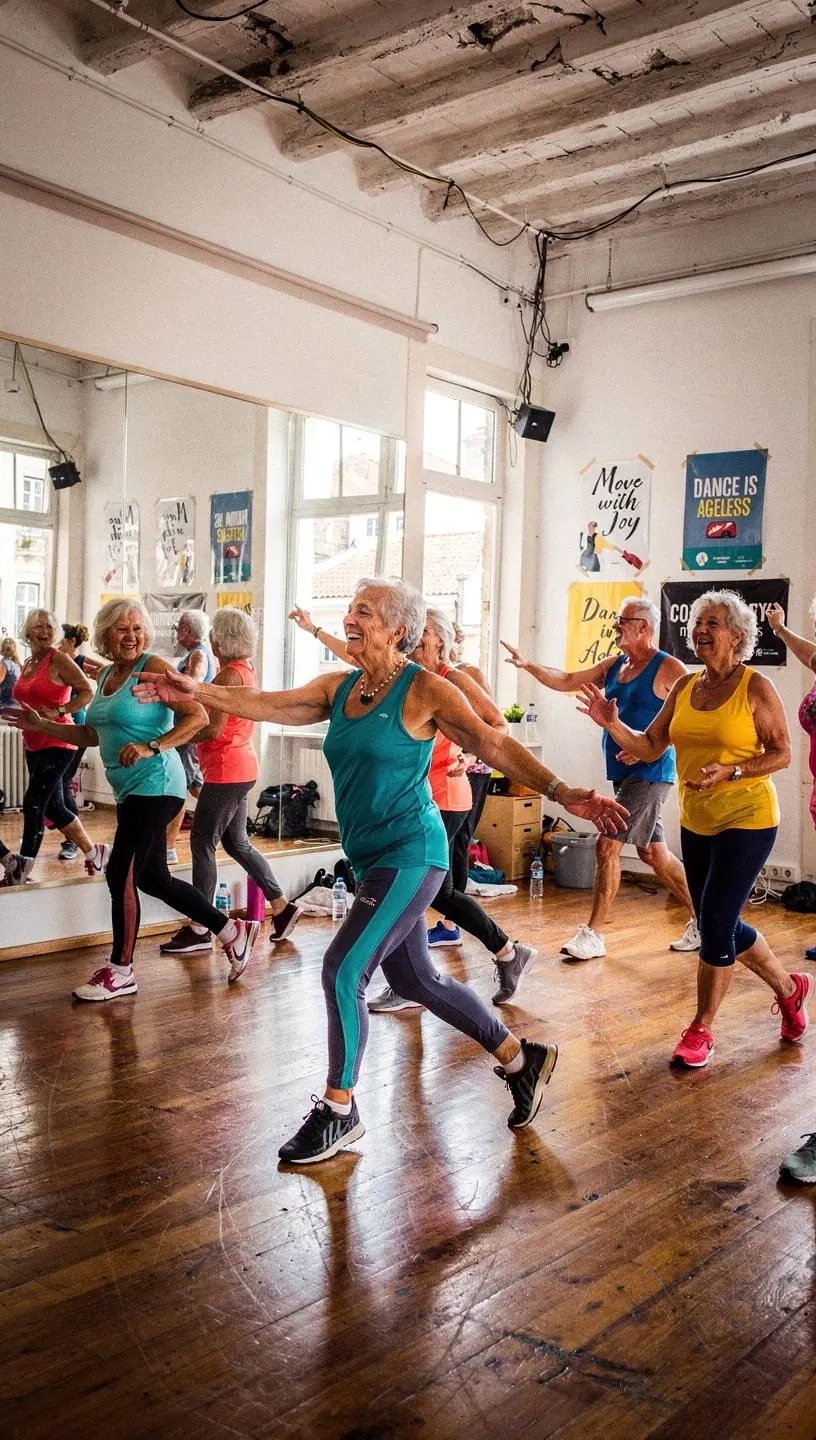
"Engaging in physical activities like dance can improve brain health and memory, as indicated by various neurological studies."
Physical Health Improvements
Dance typically provides a full-body workout that can help maintain strength, flexibility, and balance. Many users report increased vitality and stamina after incorporating dance into their routine. According to the American Heart Association, activities that elevate heart rate, such as dancing, can improve cardiovascular health.
- Enhanced cardiovascular fitness: Regular dance sessions can strengthen the heart, helping to lower blood pressure and cholesterol levels.
- Increased balance and coordination: Dance requires coordination, which can lead to improved balance, reducing the risk of falls.
- Joint health: The rhythmic movements associated with dance can help lubricate joints and enhance mobility.
Mental and Emotional Well-Being
Beyond physical benefits, dance plays a significant role in mental health. Many experts recommend dance for its ability to alleviate stress and anxiety. The combination of music and movement stimulates the release of endorphins, which are chemicals in the brain associated with happiness. According to a study published in the Journal of Behavioral Medicine, participants engaging in dance often report improved mood and lower levels of depression.
Social Connections Through Dance
One key aspect of a fulfilling retirement is maintaining social interactions. Dance classes and events provide opportunities for social engagement, which can combat feelings of loneliness. In most cases, those who participate in group dance activities find that they build new friendships and connect with like-minded individuals.
- Local dance communities: Many cities in Portugal offer dance classes and events specifically for retirees, making it easy to join in.
- Regular meetups: Creating or joining a dance group can lead to regular social outings, helping to establish a routine.
- Intergenerational connections: Dance often brings together different age groups, creating opportunities for mentorship and learning.
Getting Started: What You Need to Know
If you're considering dance as part of your retirement lifestyle, it’s essential to understand the commitment involved. Most dance classes typically require a weekly attendance of 1-2 hours, and it may take several weeks to feel comfortable with the routines. It’s important to choose a style that aligns with your interests, whether it be ballroom, salsa, or line dancing.
Conclusion
Dancing can be a joyful and effective way to enhance your retirement lifestyle. With numerous benefits for physical, mental, and social well-being, it’s an activity worth considering. While the journey may come with a learning curve, the rewards often outweigh the challenges. By taking the time to engage in dance, you can enjoy a more vibrant and fulfilling retirement.