Exploring Dance as a Tool for Lifelong Learning
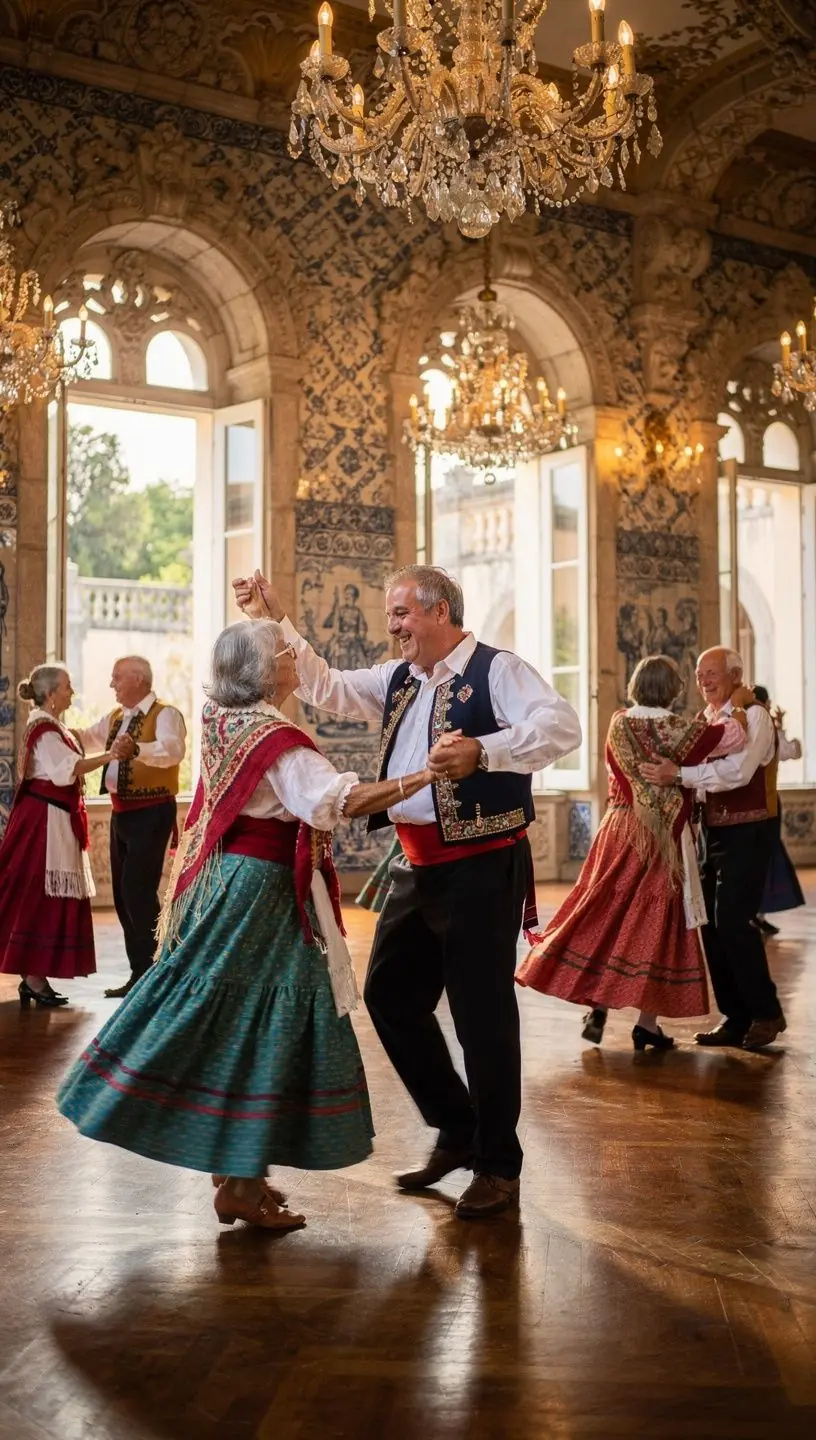
In today's fast-paced world, many individuals are seeking new ways to engage their minds and bodies as they approach retirement. Dance, an art form that combines physical movement with emotional expression, may serve as an effective tool for lifelong learning. This article delves into how dance can enhance cognitive functions, promote social connections, and foster a sense of community during pre-retirement transitions.
Understanding the Cognitive Benefits of Dance
Research indicates that engaging in dance can significantly enhance cognitive abilities, such as memory and problem-solving skills. A study published in The New England Journal of Medicine found that activities like dancing can reduce the risk of dementia by up to 76% in older adults. This is attributed to the complex mental processes involved in learning choreography and the need for spatial awareness while moving.
"Dance stimulates the brain in ways that other forms of exercise do not, making it a unique avenue for cognitive enhancement." - Dance Research Institute
Social Connections Through Dance
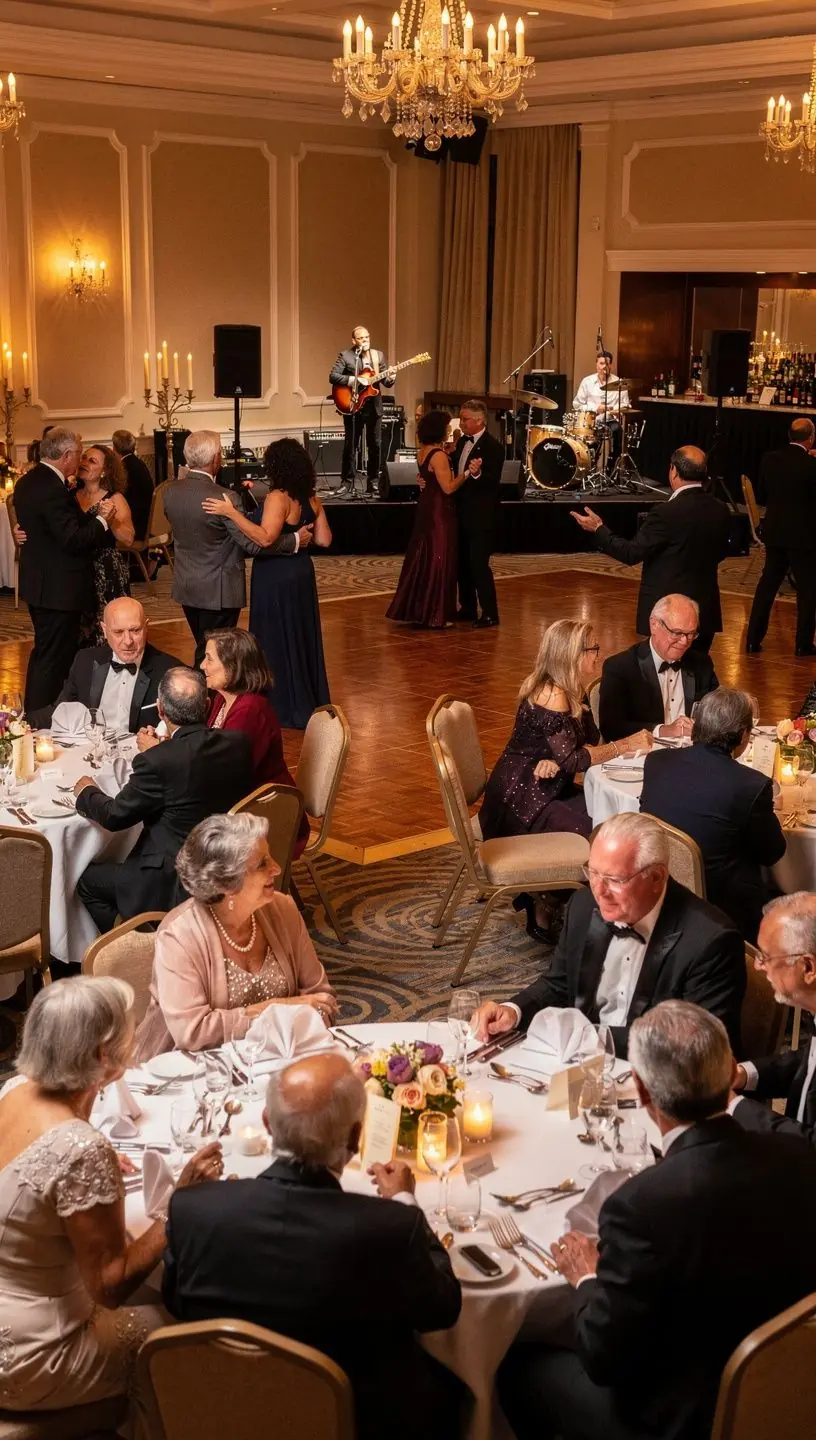
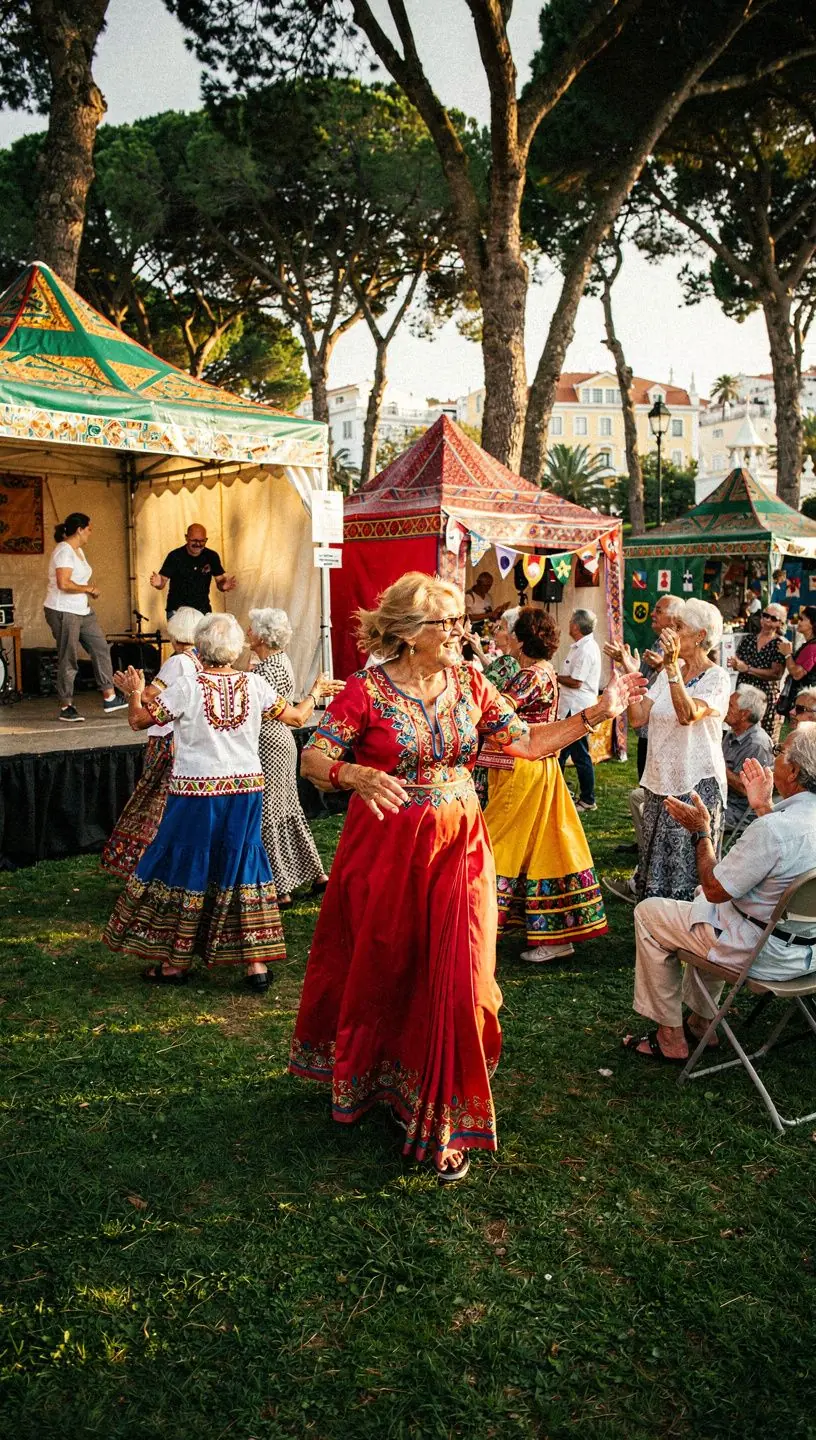
Participating in dance classes or community events can significantly enhance social connections. Many users report feeling a stronger sense of belonging when they engage in group dance activities. According to a report from the National Institute for Health Research, socializing through dance not only reduces feelings of loneliness but also improves overall emotional well-being.
- In-person meetups: Regular dance events provide opportunities to meet new people and build friendships, which is crucial for emotional health, especially as individuals transition into retirement.
- Shared experiences: Engaging in dance with others fosters a sense of camaraderie that can lead to lasting relationships.
- Community involvement: Being part of a dance community often encourages individuals to participate in local events and engage with their surroundings.
Fostering a Sense of Purpose
Dance can also provide a renewed sense of purpose as individuals approach retirement. This often involves setting new goals, such as mastering a new style or performing in front of an audience. According to experts at the American Dance Therapy Association, this pursuit can greatly enhance an individual's self-esteem and motivation.
- Setting achievable goals: Beginners may start with simple routines and gradually progress to more complex choreography.
- Consistent practice: To reap the cognitive and emotional benefits of dance, individuals should typically engage in practice 2-3 times a week.
- Feedback and reflection: Encouragement from instructors and peers can help individuals gauge their progress and maintain motivation.
Conclusion
In summary, dance serves as a multifaceted tool for lifelong learning for those nearing retirement. It offers cognitive enhancements, fosters social connections, and helps individuals find renewed purpose. While the journey of integrating dance into one’s life may require dedication and practice, the benefits can be profound. By participating in local dance events and classes, individuals can embark on a fulfilling path that enriches their lives in many meaningful ways.
Read On