Creating a Balanced Schedule for Dance and Relaxation
In today's fast-paced world, finding a harmonious balance between dance and relaxation is crucial for mental and physical well-being. This article will explore effective strategies for creating a schedule that accommodates both, allowing for a fulfilling experience in dance while also prioritizing much-needed relaxation.
Understanding the Need for Balance
Dance, while a joyous and expressive activity, also requires significant physical and mental energy. According to research, engaging in regular physical activity, such as dance, can improve mood and reduce anxiety (Office of Disease Prevention and Health Promotion). However, if not paired with adequate relaxation, it can lead to burnout and fatigue. Experts recommend incorporating downtime into your routine to support overall health and maximize the benefits of dance.

"Balancing physical activity with rest is essential for sustainable well-being," says Dr. Maria Chen, a wellness coach.
Steps to Create a Balanced Dance and Relaxation Schedule
Creating a balanced schedule can often feel overwhelming, but by following these practical steps, many users report a more manageable routine:
- Assess Your Current Commitments: Take a week to track how much time you currently dedicate to dance, leisure, and relaxation. This process helps identify areas needing adjustment.
- Set Realistic Goals: Determine how many dance classes you want to attend each week. Industry experts suggest starting with 2-3 classes for beginners, allowing room for relaxation.
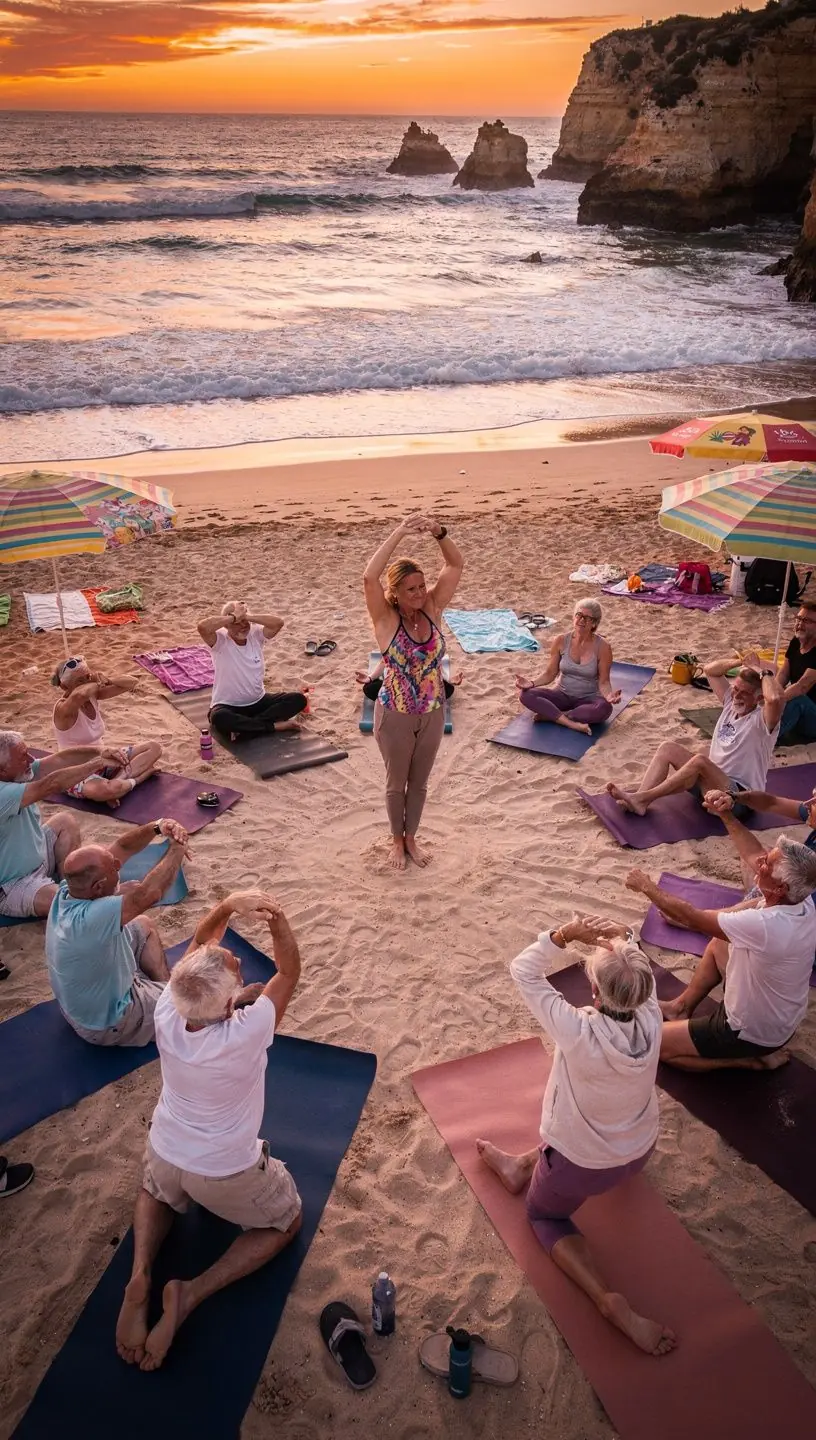
- Incorporate Relaxation Techniques: Recognize the importance of techniques like meditation, yoga, or simply quiet time. Studies show that even 10-15 minutes of mindfulness can enhance focus and reduce stress levels.
- Schedule Downtime: Block off specific times for relaxation in your calendar. This approach ensures that you prioritize rest, which is vital for recovery and mental clarity.
Implementation and Adjustments
Implementing this balanced schedule typically requires 2-4 weeks of consistent effort. It's important to be flexible, as some days may require more relaxation due to fatigue or personal commitments. The key here is to listen to your body and adjust accordingly.
Moreover, using digital tools or apps can help manage your time effectively. Many users find that setting reminders for both dance practices and relaxation periods can boost accountability and ensure a balanced approach.
Acknowledge Limitations
While creating this balance is essential, it’s also important to recognize that there may be challenges. For instance, you may face time constraints or varying energy levels, particularly if dance is part of a professional commitment. Additionally, achieving a perfect balance every week may not be feasible, and that's perfectly acceptable.
Conclusion
In summary, achieving a balanced schedule for dance and relaxation is not only possible but can significantly enhance your overall quality of life. By assessing your commitments, setting realistic goals, and incorporating adequate downtime, you can create a sustainable routine. Remember, it’s all about finding what works best for you and being open to adjustments along the way.